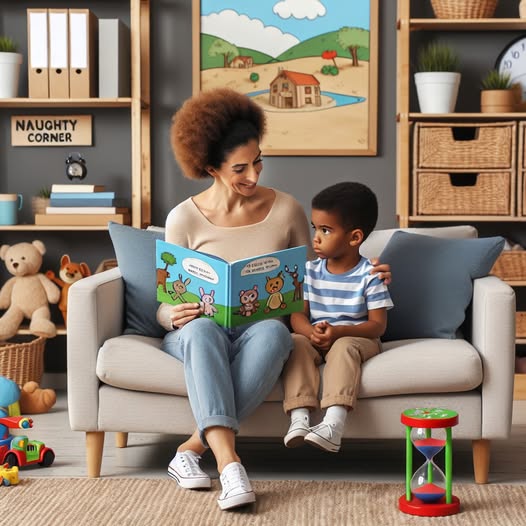
Dealing with misbehavior can be challenging for parents. While many turn to punishments, research shows that effective consequences are more beneficial for long-term behavioral change. Here’s a guide to implementing consequences that work:
The Difference Between Punishment and Consequences
Punishments often involve blame, shame, or pain, which can damage the parent-child relationship. Consequences, when used correctly, empower children to make better choices in the future.
Key Strategies for Effective Consequences
- Explore Alternative Solutions First: Before resorting to consequences, consider other parenting tools like quality time or collaborative problem-solving.
- Give Advance Warnings: Clearly communicate expectations and potential consequences before misbehavior occurs.
- Prioritize Natural Consequences: Allow life to be the teacher when possible, letting children experience the direct results of their actions.
- Ensure Logical Connections: When natural consequences aren’t feasible, implement logical consequences that directly relate to the misbehavior.
- Create Teachable Moments: Use consequences as opportunities for learning and growth, not just punishment.
Implementing Consequences Effectively
- Avoid arbitrary punishments or taking away unrelated privileges.
- Ensure consequences are reasonable in severity and duration.
- Maintain a calm demeanor when enforcing consequences.
- Follow through consistently to reinforce the lesson.
The Goal of Consequences
Remember, the ultimate aim isn’t just to stop misbehavior but to help children learn and develop while maintaining a strong parent-child bond. By using consequences thoughtfully and sparingly, parents can guide their children towards better decision-making and self-regulation. Effective parenting is a learning process for both children and adults. With patience and the right approach, you can create a positive environment that fosters growth and understanding.
Effective Consequences: A Comprehensive Guide to Positive Parenting
Understanding Child Behavior and Consequences
The Psychology Behind Misbehavior
Children misbehave for numerous reasons:
- Seeking attention
- Expressing unmet emotional needs
- Testing boundaries
- Experiencing overwhelming emotions
- Lacking communication skills
Age-Specific Consequence Strategies
Toddlers (1-3 Years)
- Short, immediate consequences
- Redirect and distract
- Use simple language
- Consistent, brief time-outs (1-2 minutes)
Preschoolers (3-5 Years)
- Natural consequences
- Logical consequences
- Choice-based discipline
- Visual behavior charts
- Reward positive behavior
School-Age Children (6-12 Years)
- Collaborative problem-solving
- Loss of specific privileges
- Earning back trust
- Communication-focused consequences
- Developing self-regulation skills
Advanced Consequence Techniques
The IDEAL Consequence Framework
- Immediate: Address behavior promptly
- Direct: Clearly connect action to consequence
- Effective: Focus on learning, not punishment
- Appropriate: Match consequence to child’s age/development
- Lasting: Create long-term behavioral change
Common Mistake to Avoid
- Emotional reactivity
- Inconsistent enforcement
- Overly harsh punishments
- Shame-based discipline
Emotional Intelligence in Discipline
Teaching Emotional Regulation
- Help children identify feelings
- Model calm responses
- Validate emotions
- Teach coping mechanisms
Technology and Consequences in Modern Parenting
Digital Age Considerations
- Screen time limitations
- Device management
- Online behavior guidelines
- Teaching digital responsibility
Practical Examples of Effective Consequences
Real-World Scenarios
- Homework Not Completed
- Consequence: Reduced recreational screen time
- Learning Objective: Time management
- Disrespectful Communication
- Consequence: Practice respectful dialogue
- Learning Objective: Communication skills
- Not Cleaning Room
- Consequence: Cannot play until room is organized
- Learning Objective: Personal responsibility
The Long-Term Impact
Effective consequences are about:
- Building trust
- Developing self-discipline
- Strengthening parent-child relationship
- Creating intrinsic motivation
Expert Recommendations
Professional Insights
- Consistency is key
- Remain calm
- Focus on teaching
- Show unconditional love
- Adjust strategies as children grow
Conclusion: A Positive Approach
Discipline isn’t about control—it’s about guidance. By implementing thoughtful, age-appropriate consequences, parents can help children develop critical life skills, emotional intelligence, and self-regulation.Remember: Every child is unique. What works for one might not work for another. Stay patient, flexible, and committed to understanding your child’s individual needs.
Additional Resources
- Parenting workshops
- Child psychology books
- Family counseling
- Online parenting communities




 TinyTot'sToyBox
Leave a comment