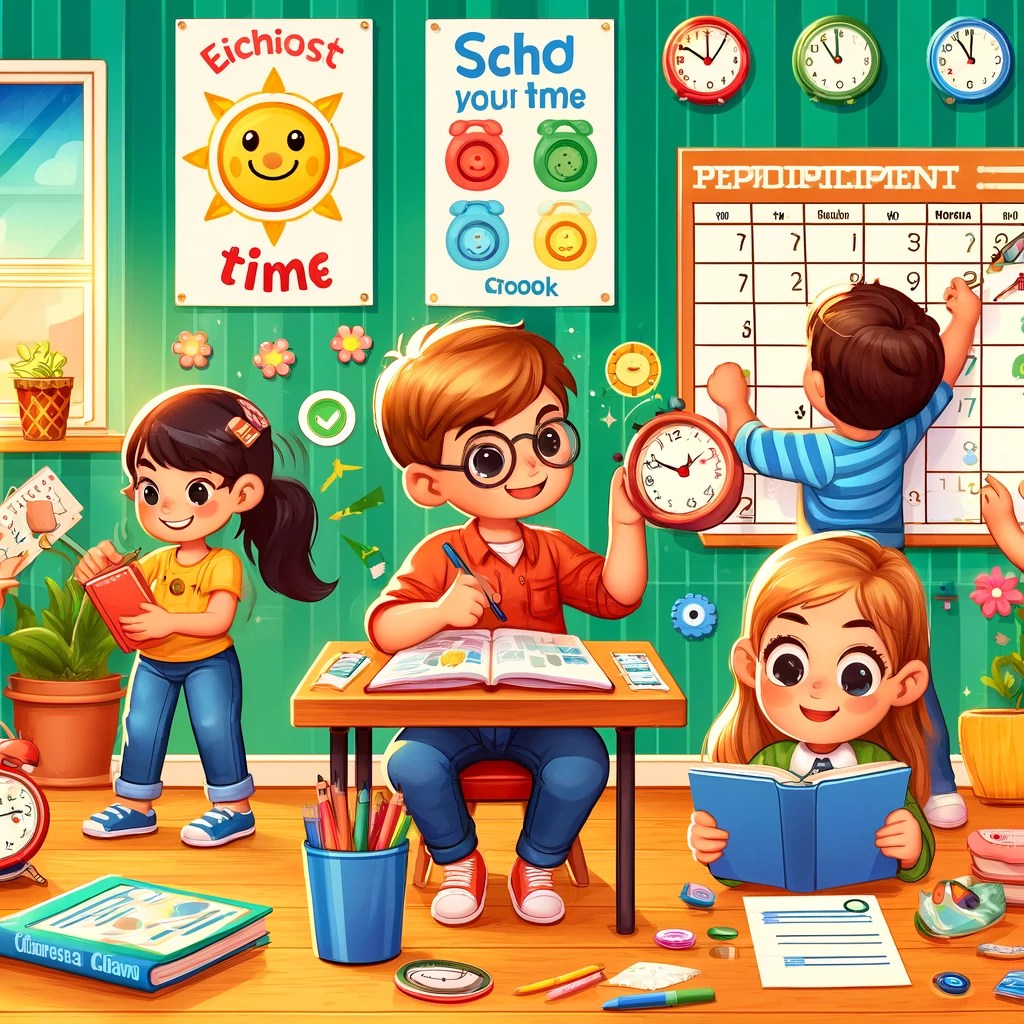
Mornings can feel like a chaotic battle against the clock, with frustrated parents struggling to get their children ready on time. But what if you could transform these stressful moments into opportunities for learning valuable life skills?
Why Time Management Matters for Kids
Time management is more than just getting out the door quickly. It’s about teaching children crucial life skills that will serve them well into adulthood. By helping kids learn to organize their time, parents can:
- Reduce daily stress
- Boost children’s sense of independence
- Develop critical decision-making skills
- Improve overall productivity
Strategies for Different Age Groups
For Younger Children: Daily Routine Management
The “When-Then” Approach
Create clear routines using a simple formula: When you complete essential tasks, then you can enjoy a fun activity. For example:
- When pajamas are on and teeth are brushed, then we can read a bedtime story
- When breakfast is eaten and bed is made, then we can have a morning dance party
Make Time Visible
Young children struggle with abstract time concepts. Use visual timers to help them understand and manage time more effectively. When kids can see time passing, they’re more likely to stay on track.
For Older Children: Weekly Planning
Introduce a Planner
Around upper elementary age, help children start managing weekly schedules:
- Let them choose their own planner
- Encourage writing down tasks, school assignments, and activities
- Make planning a collaborative and exciting process
Key Tips for Success
- Be Patient: Time management is a skill that develops gradually
- Use Visual Reminders: Create routine charts or checklists
- Schedule Weekly Check-Ins: Discuss schedule management supportively
- Allow Natural Consequences: Let children learn from their own time management mistakes
Personalize the Approach
Remember that every child learns differently. Some are visual learners who benefit from written checklists, while others might respond better to digital reminders or alarms.
Advanced Time Management Techniques for Kids
Learning Styles Matter
Different children learn time management differently based on their learning style:
- Visual Learners: Use colorful calendars, visual timelines, and apps with graphical interfaces
- Auditory Learners: Leverage voice reminders and discussion-based learning
- Reading/Writing Learners: Encourage detailed planners and written to-do lists
- Kinesthetic Learners: Incorporate hands-on time tracking methods
Technology and Time Management
Modern tools can make time management engaging:
- Digital apps designed for kids’ scheduling
- Timer apps with visual countdowns
- Interactive time-blocking applications
Advanced Techniques for Older Children
The Pomodoro Technique
Help children implement focused work intervals:
- 25 minutes of concentrated work
- 5-minute break
- Prevents burnout and maintains productivity
Priority Management
Teach kids to categorize tasks using techniques like the Eisenhower Box:
- Urgent and Important
- Important but Not Urgent
- Urgent but Not Important
- Not Urgent and Not Important45
Unique Motivational Strategies
- Use music as a time marker
- Create reward systems for task completion
- Let children participate in time-related decisions
Special Considerations for Different Ages
- Younger Children: Use visual timers, simple routines
- Pre-teens: Introduce digital scheduling tools
- Teenagers: Teach complex prioritization techniques
Remember, time management is a skill that develops gradually. Patience, consistent guidance, and making the process fun are key to helping children become masters of their time.
Final Thoughts
Time management isn’t about perfection—it’s about progress. By providing gentle guidance and creating supportive systems, parents can help their children develop lifelong organizational skills that will serve them well in school, work, and personal life.




 TinyTot'sToyBox
Leave a comment